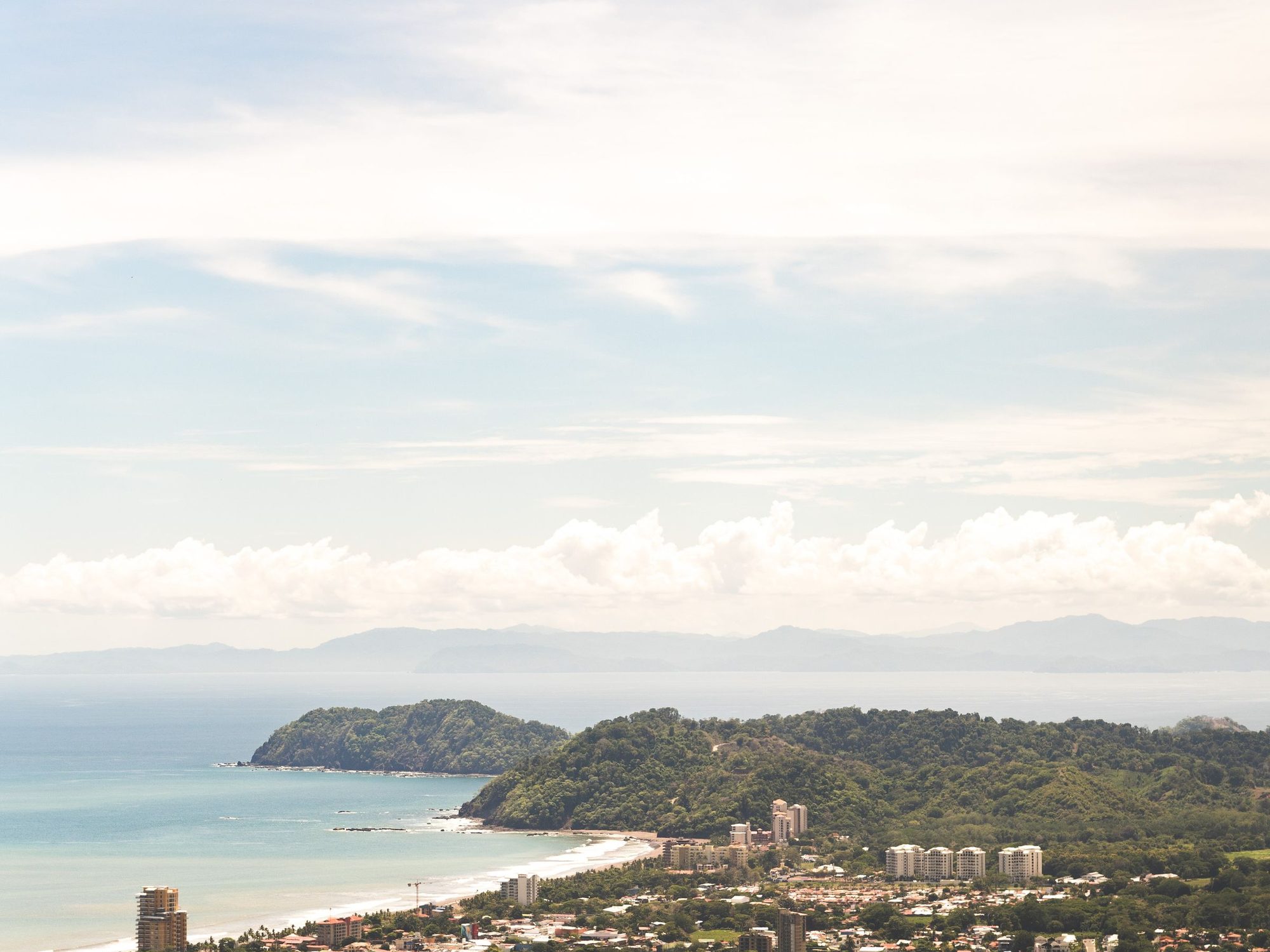
Short answer: retiring in Costa Rica is realistic on a Social Security or pension income. The pensionado residency requires about $1,000 a month in verifiable lifetime pension, gives you access to the public Caja healthcare system, and supports a comfortable life in the Central Valley on roughly $2,000–$3,000 a month for a couple. It's one of the world's established retirement destinations for good reasons — climate, healthcare, safety, and a large expat community — but the money you need to protect is the money you spend buying a car or a home here.
Costa Rica has drawn North American retirees for decades. The pitch is real: a stable democracy, no army, famously good private medicine, mild highland weather, and a pura vida pace. Here's what retiring here actually involves.
The pensionado path
| Requirement | Detail |
|---|---|
| Income | ~$1,000/month in lifetime pension (Social Security qualifies) |
| Proof | Pension letter, apostilled and translated |
| Healthcare | Join the Caja (CCSS) as a legal resident |
| Family | Spouse and dependents can be included |
If you don't have pension income, the rentista path (~$2,500/month for two years, or a qualifying deposit) and the inversionista path (a property or business investment) are the alternatives. Most retirees qualify under pensionado on Social Security alone.
Healthcare in retirement
This is the headline reason many retire here. Legal residents contribute to the Caja (CCSS) public system based on income, and most pair it with affordable private care — specialists, imaging, and surgery at a fraction of U.S. prices, often without the wait. Costa Rica is a genuine medical-tourism destination; as a resident you simply live inside that system.
A retiree's monthly budget
A couple lives comfortably in the Central Valley on about $2,000–$3,000/month, less if modest, more on the pricier Pacific coast. See Cost of Living in Costa Rica for the full line-by-line breakdown.
Where to retire
- Central Valley (Atenas, Grecia, San Ramón, Escazú): mild, affordable, best healthcare access, biggest expat networks — the classic retiree choice.
- Pacific coast (Guanacaste, Central Pacific): beach life, higher cost, hotter.
- Southern Zone: lush, remote, cheaper.
The part of retirement that protects your nest egg
Retirees are a target for exactly one reason: they arrive with capital and buy things — a car, a house, a lot — in an unfamiliar system. In Costa Rica a used car can carry an unpaid marchamo (road tax), fines, or a gravamen (lien) that blocks the transfer; a property can carry a lien, a boundary dispute, or a title that isn't clean. None of it appears in the price.
So the one habit that protects a retirement here: read the official record before you pay. Check any license plate for free before buying a car, and verify the title and registry standing before buying property. That's what VerifiedCR is for — the check costs nothing, and the only paid moment is the safe, escrowed close.